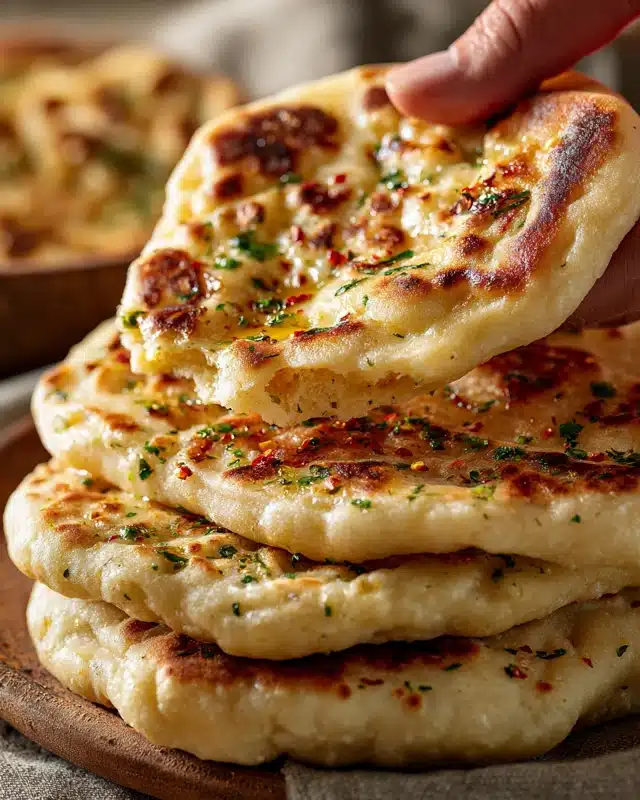
Unlock the Secret to Delicious No Knead Turkish Bread
Imagine a bread that's incredibly soft, wonderfully chewy, and bursting with flavour, yet requires minimal effort. That's precisely what you'll achieve with this easy
no knead turkish bread recipe. Known in Turkey as *Pide Ekmek*, this delightful flatbread offers the perfect blend of rustic charm and effortless baking, making it a staple for any home cook looking to bring authentic flavours to their table without the fuss of traditional kneading.
This recipe is designed for ease and satisfaction, transforming simple ingredients into a versatile bread that’s perfect for dipping, filling, or simply enjoying on its own. Say goodbye to strenuous kneading and hello to a wonderfully tasty, homemade bread experience.
Why Choose No Knead Turkish Bread (Pide Ekmek)?
The appeal of
no knead turkish bread goes far beyond its simplicity. It’s a rewarding baking project that promises exceptional results with minimal hands-on time. If you're new to bread making or simply prefer a less laborious approach, this recipe is your golden ticket.
- Effortless Preparation: The biggest draw is, of course, the "no knead" aspect. All the mixing happens in a single bowl, making cleanup a breeze and reducing the physical effort significantly. This gentle process allows the dough to develop its gluten structure naturally over time, resulting in a superior texture.
- Irresistible Texture: Prepare for a truly delightful experience. The crust of this *Pide Ekmek* bakes to a beautiful golden brown, boasting a characteristic softness and chewiness that's incredibly satisfying. Inside, the bread is remarkably soft, airy, and wonderfully springy, making it perfect for soaking up delicious sauces or creating pockets for fillings.
- Incredible Versatility: This isn't just a side dish; it's a culinary chameleon! Enjoy it warm with a pat of butter, alongside a hearty bowl of soup or stew, or as an accompaniment to a vibrant meze platter with hummus, olive oil, and soft cheeses. It makes an excellent base for a quick pizza, a sturdy partner for chili, or even a delightful way to mop up sauces from your favorite curries. For more ways to incorporate this bread into your meals, check out Minute No Knead Turkish Bread: Your Versatile Meal Companion.
- Freezer-Friendly: Baked *Pide Ekmek* freezes beautifully for up to three months, meaning you can always have delicious homemade bread on hand. Simply thaw and warm gently when cravings strike.
The Magic Behind the Dough: A Step-by-Step Guide to Soft, Chewy Pide Ekmek
Creating this delightful
no knead turkish bread is a testament to the power of patience and a few simple steps. The process relies on a starter to activate the yeast and allow flavours to develop, followed by a gentle folding technique that eliminates the need for vigorous kneading. This recipe yields two rectangular breads, traditionally served this way, though they can also be shaped into rounds.
Ingredients You'll Need:
For the Starter:
- 112g (¾ cup, based on scooping packed flour into a 250ml cup) bread flour
- 200ml (½ cup + ⅓ cup) lukewarm water
- 10g (1 ½ packets – about 3 tsp) instant yeast
- 4g (1 tsp) sugar
For the Dough:
- 390g (2 ⅔ cups minus 1 tbsp, based on scooping packed flour into a 250ml cup) bread flour
- 200ml (½ cup + ⅓ cup) lukewarm water
- 6g (1 tsp) salt
For the Topping (Optional):
- 1 medium egg (large in USA), beaten with a little water and flour for a wash
- Sesame seeds and nigella seeds, to taste
The Process:
- Prepare the Starter: In a large mixing bowl, combine the 112g of bread flour, sugar, and instant yeast. Pour in the 200ml of lukewarm water and stir thoroughly until the mixture is smooth and free of lumps. Cover the bowl tightly with plastic wrap and let it rest in a warm place for 20-30 minutes. You'll know it's ready when the mixture has become airy, frothy, and bubbly, indicating the yeast is active and thriving.
- Form the Dough: To your activated starter, add the remaining 200ml of lukewarm water and stir gently to combine. Next, add the salt and the 390g of bread flour. Mix everything together with a sturdy spoon or spatula until all the flour is fully incorporated and you have a shaggy, slightly sticky dough. Resist the urge to knead!
- First Rise (Bulk Fermentation): Cover the bowl again with plastic wrap and place it in a warm, draft-free spot. Allow the dough to rise until it has more than doubled in size. This can take anywhere from 1 to 1.5 hours, depending on the warmth of your environment. Patience here is key to developing flavour and texture.
- Gentle Folding and Dividing: Once risen, lightly flour a clean work surface. Gently tip the dough out onto it. Using floured hands, carefully fold the dough over on itself for about a minute. This gentle folding helps to strengthen the gluten structure without damaging the air pockets created during the rise. Use extra flour as needed to prevent sticking. Divide the dough into two equal pieces.
- Shape the Breads: Take each piece of dough and gently form it into a ball, lightly knocking out any large gas bubbles. Then, reshape each ball into an oblong. Finally, press each oblong gently into a rectangular shape, about 1 cm (approximately ½ inch) thick. These will be your characteristic Turkish flatbreads.
- Second Rise (Proofing): Line two baking sheets with parchment paper. Carefully transfer your shaped dough rectangles onto the prepared sheets. Cover the dough again with plastic wrap or a clean kitchen towel and let them rest for another 30 minutes. This final proof allows the dough to relax and puff up slightly, contributing to the bread's soft interior.
- Preheat and Prepare for Baking: About 15 minutes before the second rise is complete, preheat your oven to a high temperature: 250°C (230°C Fan/480°F). For a beautifully soft and chewy crust, place a pan of water on the bottom rack of your oven. This creates steam, which is crucial for crust development.
- Egg Wash and Patterning: While the oven preheats, prepare your egg wash by whisking the medium egg with a little water and a pinch of flour. Gently brush this mixture all over the top of each dough rectangle. This wash gives the bread its beautiful golden-brown sheen and helps the seeds adhere. Next, using your fingertips, gently press a decorative pattern around the inside edge of each rectangle, and then create a pattern of diamonds across the top of the dough. This traditional patterning adds to the aesthetic appeal of *Pide Ekmek*.
- Add Seeds: Generously sprinkle sesame seeds (white or black) and/or nigella seeds over the top of the egg-washed, patterned dough. These seeds add a wonderful aroma, flavour, and textural crunch.
- Bake to Perfection: Carefully transfer the baking sheets to the preheated oven. Bake for approximately 15 minutes, or until the top of the bread is a lovely golden brown. If you prefer a slightly crispier crust or a slower bake, you can extend the baking time at a slightly lower temperature.
- Cool and Enjoy: Once baked, remove the breads from the oven and immediately transfer them to a wire rack to cool slightly. While they are tempting to devour straight away, allowing them to cool for a few minutes helps the internal structure set.
Perfecting Your Pide Ekmek: Expert Tips and Serving Suggestions
Achieving that perfect soft, chewy
no knead turkish bread is easy, but a few additional tips can elevate your baking game.
*
Warmth is Key for Rising: Yeast loves warmth! If your kitchen is cool, try placing the covered dough bowl in a slightly warm (but not hot) oven that's been turned off, or even near a sunny window. Just avoid extreme heat, which can kill the yeast.
*
Don't Over-Flour During Shaping: While a well-floured surface is necessary to prevent sticking, too much extra flour can make your dough stiff. Use just enough to manage the dough.
*
Embrace the Stickiness: No-knead doughs are often stickier than traditional kneaded doughs. Don't be alarmed; this stickiness contributes to the bread's moist, airy interior. Lightly floured hands are your friend!
*
Customise Your Seeds: While sesame and nigella seeds are traditional, feel free to experiment with other toppings like poppy seeds, za'atar, or even a sprinkle of coarse sea salt for an extra textural and flavour dimension.
*
Vegan Alternative: To make this recipe completely vegan, simply skip the egg wash and instead brush the dough with a little olive oil or plant-based milk before sprinkling with seeds.
*
Storage: Store cooled bread in an airtight container at room temperature for 2-3 days. For longer storage, wrap individual loaves tightly in plastic wrap and then foil, and freeze. Thaw at room temperature and refresh in a warm oven for a few minutes.
*
Serving Beyond the Basics:
*
Mediterranean Feast: Slice into wedges and serve with a spread of hummus, baba ghanoush, tzatziki, and marinated olives.
*
Sandwich Pockets: Once cooled, slice the bread horizontally to create pockets perfect for stuffing with grilled vegetables (like aubergine and courgettes), falafel, or even simple ham and cheese.
*
Soup Dippers: There's nothing quite like dipping a piece of soft Turkish bread into a rich lentil soup or a creamy tomato bisque.
*
Sweet Treat: While typically savoury, a slice of this bread with honey and clotted cream (kaymak) makes for a delightful breakfast or dessert.
For another perspective and more insights on preparing this versatile bread, read our article
Easy No Knead Turkish Bread: Fluffy Pide Ekmek at Home.
Conclusion
Mastering the art of
no knead turkish bread is an incredibly satisfying journey that yields a delicious, versatile bread with minimal effort. Its soft, chewy texture and subtle flavour make it a perfect accompaniment to almost any meal or a delightful snack on its own. By following these straightforward steps and incorporating a few expert tips, you'll be baking beautiful *Pide Ekmek* that will impress friends and family alike. So, roll up your sleeves, embrace the simplicity of no-knead baking, and prepare to enjoy the rewards of this wonderful Turkish staple in your own kitchen!