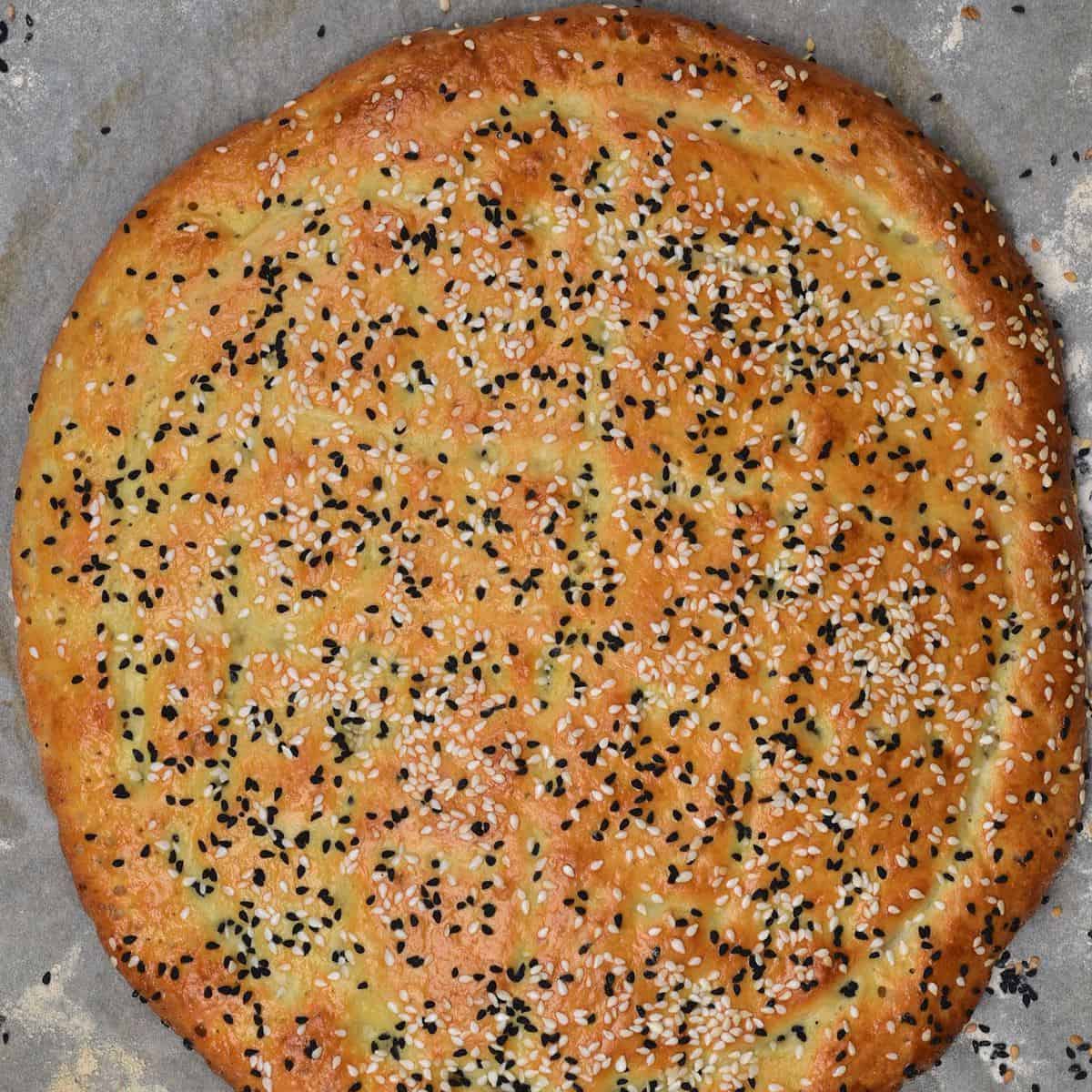
Imagine a bread so incredibly soft, chewy, and irresistibly fluffy that it melts in your mouth – and you made it yourself with minimal effort. This isn't a dream! We're talking about achieving soft, chewy no knead Turkish bread with this easy recipe, known as Pide Ekmek. A staple in Turkish cuisine, this delightful flatbread is renowned for its tender crumb and subtly crisp exterior, often adorned with sesame and nigella seeds. What makes it even more appealing for the home baker is its "no-knead" nature, transforming a seemingly complex baking feat into an accessible and enjoyable kitchen adventure. Forget the strenuous kneading and lengthy proofing; this recipe prioritizes simplicity without sacrificing an ounce of flavor or texture. Get ready to impress your taste buds and your guests with this truly authentic taste of Turkey, right from your own oven.
The Magic Behind No-Knead Baking: Why It Works for Pide Ekmek
The concept of "no-knead" bread has revolutionized home baking, making artisan-quality loaves achievable for even the most novice bakers. For a quintessential bread like Turkish Pide Ekmek, this method is particularly effective, yielding a texture that's both wonderfully springy and incredibly soft. So, what's the secret? It all comes down to time and hydration.
Instead of relying on vigorous kneading to develop the gluten structure, the no-knead method allows a high-hydration dough to develop its gluten network naturally over a longer period. The water interacts with the flour's proteins (glutenin and gliadin) to form gluten strands, which are then strengthened by the fermentation process initiated by the yeast. This slow, patient development results in a more complex flavor profile and an exceptionally tender crumb, often with beautiful air pockets, much like the versatile meal companion that Pide Ekmek truly is.
For our no knead Turkish bread, this means less hands-on time for you and more opportunity for the dough to do its work. You simply mix the ingredients, let time do the heavy lifting, and then perform a few gentle folds before shaping and baking. The reward is a wonderfully chewy crust and an incredibly soft interior, a testament to the power of patience in baking. It's a method that promises delicious results with minimal effort, making fresh, homemade bread a regular occurrence in your kitchen.
Crafting Your Fluffy Pide: A Step-by-Step Guide
Creating your own authentic Pide Ekmek is a surprisingly straightforward process, broken down into a few simple stages. While the exact measurements for ingredients are vital, the beauty of this no-knead technique lies in its forgiving nature.
The Energetic Starter: Activating Your Yeast
The first step is to create a lively starter, often called a "poolish" or "preferment." In a large bowl, combine 112g (about ¾ cup) bread flour with 200ml (½ cup + ⅓ cup) lukewarm water, 10g (roughly 3 tsp) instant yeast, and 4g (1 tsp) sugar. The sugar acts as food for the yeast, helping it activate quickly. Stir this mixture until it's smooth and lump-free. Cover the bowl loosely with plastic wrap and let it sit in a warm place for 20-30 minutes. You'll know it's ready when the mixture is visibly airy, frothy, and bubbly – a clear sign that your yeast is alive and ready to work its magic!
Building the Dough: From Shaggy to Sublime
Once your starter is active, add another 200ml (½ cup + ⅓ cup) of lukewarm water to the bowl and stir to incorporate. Then, add 6g (1 tsp) salt and the remaining 390g (approximately 2⅔ cups minus 1 tbsp) bread flour. Using a sturdy spoon or spatula, mix these ingredients until all the flour is fully hydrated and combined. You'll end up with a sticky, shaggy dough – this is perfectly normal for a high-hydration no-knead recipe. Cover the bowl again with plastic wrap and place it in a warm environment. Allow the dough to rise until it has more than doubled in size. Depending on the warmth of your kitchen, this could take anywhere from 1 to 2 hours. Patience here is key for a truly fluffy result.
Gentle Shaping, Not Kneading
Once the dough has risen beautifully, gently tip it out onto a generously floured surface. Resist the urge to punch it down completely! Instead, use the flour to prevent sticking and perform a series of gentle folds. Fold the dough over on itself a few times for about a minute, just enough to bring some structure to it without deflating all the precious air. Divide the dough into two equal pieces. For each piece, gently form it into a ball, coaxing out any large gas pockets. Then, reshape each ball into an oblong or rectangle, pressing it down to about 1 cm thickness. You can also make them round if you prefer the traditional circular Pide shape. Place these shaped dough pieces onto baking sheets lined with parchment paper, cover them loosely, and let them rest for another 30 minutes. This final rest allows the gluten to relax and the dough to slightly puff up again.
The Final Flourish and Bake
While your dough is resting for the second time, preheat your oven to a blazing 250°C (230°C Fan/480°F). Crucially, place a shallow pan of water on the bottom rack of your oven. This creates steam, which is vital for a soft, chewy crust and allows the bread to expand fully before the crust sets. For the classic golden sheen and seed adherence, whisk one medium egg with a splash of water and a tiny pinch of flour to create an egg wash. Brush this generously over the surface of each Pide. Now for the signature pattern: using your fingertips, press a decorative border around the inside edge of each rectangle. Then, create a diamond pattern across the center of the dough. Finally, sprinkle generously with sesame seeds and, if desired, nigella seeds for that authentic Turkish flavor. Bake for a mere 15 minutes, or until the top is a beautiful golden brown. The high temperature ensures a quick bake, locking in moisture. Remove from the oven and transfer to a wire rack to cool slightly before slicing or tearing. The aroma alone will be enough to make your mouth water!
Unleashing the Versatility of Your Homemade Turkish Bread
The beauty of homemade no knead Turkish bread, or Pide Ekmek, extends far beyond its simple preparation. Its mild, slightly nutty flavor and incredibly soft texture make it an incredibly versatile companion for a myriad of dishes, transforming everyday meals into something special.
For Breakfast & Brunch: Imagine tearing off a piece of warm Pide and dipping it into a good olive oil, or pairing it with a medley of soft cheeses, olives, and fresh tomatoes for a traditional Turkish breakfast spread. It's also fantastic alongside scrambled eggs or sunny-side-up eggs, perfect for soaking up every last bit of yolk.
Lunchtime & Light Bites: This bread excels as a base for open-faced sandwiches or mini pizzas. Slice it horizontally to create pockets for fillings like grilled aubergine and courgettes with fresh tomatoes, or classic ham and cheese. It also makes an excellent dip companion for hummus, muhammara, baba ghanoush, or even a simple tzatziki. Its similarity to focaccia makes it an easy swap for Italian-inspired spreads too!
Dinner & Accompaniments: Pide Ekmek truly shines when served alongside hearty main courses. It's the ideal vehicle for scooping up rich sauces from stews, chilies, and curries. Pair it with a steaming bowl of lentil soup, a robust beef stew, or even a simple grilled chicken. Its soft crumb and slightly chewy crust provide a wonderful textural contrast to a variety of savory dishes. The seeds add a subtle crunch and a layer of flavor that complements without overpowering.
Storage & Future Enjoyment: One of the best aspects of this easy Turkish flatbread is how well it stores. Once completely cooled, you can wrap individual loaves tightly in plastic wrap and then in foil, and freeze them for up to three months. To enjoy, simply thaw at room temperature and warm gently in the oven or toaster for a fresh-baked experience. For those following a plant-based diet, simply omit the egg wash for a completely vegan version without compromising on flavor, though the golden sheen will be less pronounced.
Tips for Pide Perfection: Mastering Your Home Bake
While the no knead Turkish bread recipe is forgiving, a few expert tips can elevate your Pide Ekmek from good to absolutely outstanding, ensuring a consistently soft, chewy, and flavorful result every time.
- Warmth is Your Friend: Yeast thrives in a warm environment. Ensure your water is lukewarm (around 38-43°C or 100-110°F) for the starter, and place your dough in a warm, draft-free spot for rising. An oven with just the light on can create a perfect proofing box.
- Bread Flour for the Win: Don't substitute all-purpose flour for bread flour if you can help it. Bread flour has a higher protein content, which is crucial for developing strong gluten strands even without kneading. This contributes significantly to the chewy texture and structural integrity of the Pide.
- The Power of Steam: The pan of water at the bottom of the oven during baking is non-negotiable. The steam prevents the crust from hardening too quickly, allowing the bread to expand fully and creating that desirable soft, chewy exterior. Without it, your Pide might have a tougher crust.
- Don't Overwork the Dough: Remember, this is *no-knead*. When you tip the dough onto your floured surface, handle it gently. The brief folding is just to organize the gluten slightly, not to develop it further through aggressive handling. Too much manipulation will deflate the precious air bubbles.
- Perfecting the Egg Wash: For that beautiful golden-brown crust and excellent seed adhesion, ensure your egg wash is evenly applied. A little flour in the wash helps it stick better and gives a slightly softer finish. If you're skipping the egg wash for a vegan option, you can brush with a little plant-based milk or water for some sheen, though it won't be as pronounced.
- Customization Beyond Seeds: While sesame and nigella seeds are traditional, don't hesitate to experiment! A sprinkle of za'atar, dried oregano, or a brush of garlic-infused olive oil before baking can add another layer of flavor. Some even like to add a sprinkle of cheese.
- Listen to Your Oven: Every oven is different. While 15 minutes at high heat is a good guideline, keep an eye on your bread. It should be deeply golden brown. If your oven tends to run hot, you might need slightly less time; if it runs cooler, a minute or two more could be perfect.
With these practical tips, you're well-equipped to master this simple yet incredibly rewarding no knead Turkish bread recipe, bringing the flavors of a Turkish bakery directly to your kitchen.
Creating your own fluffy Pide Ekmek at home is more than just baking; it's an incredibly satisfying culinary experience that brings a taste of Turkish tradition to your table. This no knead Turkish bread recipe proves that delicious, artisan-quality bread doesn't require hours of kneading or complex techniques. With minimal effort and a little patience, you can achieve a wonderfully soft, chewy, and aromatic flatbread that’s perfect for every meal. Whether you're dipping it into soup, using it as a base for a hearty sandwich, or serving it alongside a vibrant mezze platter, your homemade Pide Ekmek is sure to become a beloved staple. So, roll up your sleeves, embrace the simplicity of no-knead baking, and get ready to enjoy the incredible rewards of this versatile and delightful minute no knead Turkish bread: your versatile meal companion.
